
From food to fiber to medicine
From Food to Fiber to Medicine: The Long, Rich Journey of Hemp
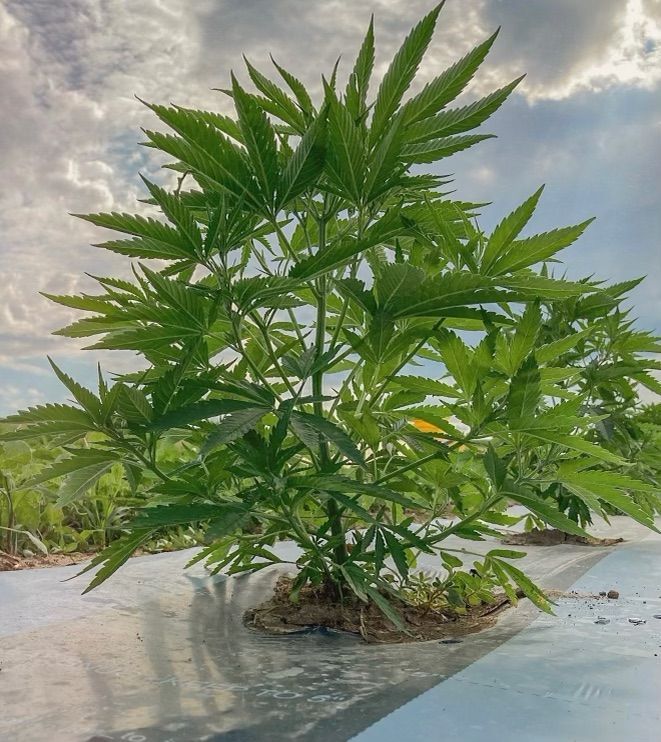
Hemp is one of those rare plants that seems to do everything: feed us, clothe us, heal us — and it’s been doing so for thousands of years. While it’s part of the same cannabis family as marijuana, hemp is chemically very different: it contains only trace amounts of THC, the compound that causes a “high.” Instead, hemp’s strength lies in its versatility. Let’s dive into its fascinating history and how its many uses evolved over time.
The Deep Roots of Hemp: Origins and Ancient Use
Central Asia and Early Domestication
Archaeological evidence suggests that hemp (Cannabis sativa) was one of the first plants domesticated by humans in Central Asia — some estimates date this back to around
8000 BCE.
HelloMD+1
This early domestication set the stage for hemp’s global journey: from a wild plant to a cornerstone of ancient agriculture.
Hemp in Ancient China
China played a foundational role in the early story of hemp. Imprints of hemp fibers have been found on Neolithic pottery from the Yangshao culture, showing that Chinese civilizations were weaving hemp millennia ago.
Wikipedia
The Chinese also used hemp seeds for food and hemp oil in lamps, and early pharmacopoeias—like the legendary
Shennong Bencaojing (attributed to the mythical Emperor Shennong)—described hemp’s medicinal potential for pain, constipation, and more.
Royal Queen Seeds+1
Hemp in India
In India, hemp holds a place in very old spiritual and medical traditions. Texts like the
Atharva Veda, one of the oldest Hindu scriptures, mention hemp as a sacred plant.
Nano Hemp Tech Labs
It was used in rituals, medicine, and was considered one of the “five sacred plants” — a sign of its deep cultural significance.
Hemp in Egypt and Europe
Ancient Egyptians used hemp for rope, clothing, and even in mummification. Some historical sources suggest hemp fibers helped in preserving and wrapping mummies.
CBD Way
In Europe, hemp’s utility spread early: nomadic peoples like the Scythians (Central Asian horse-riders) used hemp in burial rituals, and hemp textile use eventually spread across the continent.
CBD Way+1
Hemp and the New World: Colonial America to Modern Era
Colonial America
When European colonists came to North America, they brought hemp with them. Hemp quickly became a staple crop: fiber from the plant was used for rope, sails, clothing, and even paper.
UF/IFAS Programs
Hemp seed and oil also provided food and fuel for settlers — a truly multipurpose plant.
20th Century Ban and Revival
Despite its long legacy, hemp fell into legal trouble in the 20th century. The
Marihuana Tax Act of 1937 effectively criminalized hemp, lumping it together with psychoactive marijuana.
CBD Way
Then, during World War II, the U.S. government briefly revived hemp farming under the “Hemp for Victory” campaign to support the war effort.
HelloMD+1
But the crackdown returned, and for many decades, hemp cultivation was severely restricted.
It wasn’t until the
2018 U.S. Farm Bill that hemp was removed from the federal list of controlled substances — as long as it contains no more than 0.3% delta-9 THC.
Congress.gov+1
That legislation reclassified hemp as an agricultural commodity, opening the door for farmers, manufacturers, and researchers to build a legal, modern hemp industry.
Facebook+1
The Many Faces of Hemp: Food, Fiber, Medicine
Fiber and Textiles
One of hemp’s most durable contributions: its fiber. Hemp fiber is strong, breathable, and naturally resistant to degradation, making it ideal for everything from rope and canvas to clothing and paper.
CBD Way
Historically, these fibers were woven into textiles thousands of years ago, long before synthetic materials existed.
Royal Queen Seeds
Nutrition: Seeds and Oil
Hemp seeds are remarkably nutritious. They contain healthy fats, protein, and a variety of micronutrients — making them a staple in traditional diets and modern health foods alike.
Nano Hemp Tech Labs+1
People eat them raw, roast them, mix them into smoothies — there’s a reason hemp seed is back in kitchens around the world.
Medicinal Uses
Beyond food and fiber, hemp has long been used as medicine. Ancient Chinese texts recommend hemp for inflammation, gastrointestinal issues, and pain.
Royal Queen Seeds
Later, hemp’s therapeutic potential would be more fully understood in modern times — especially with the discovery of cannabinoids like CBD.
Why Hemp Matters Today
- Sustainability: Hemp grows fast, needs relatively little water, and can enrich the soil — making it an eco-friendly crop. UF/IFAS Programs
- Economic Potential: With its legalization under the 2018 Farm Bill, hemp is now a viable business crop, not just a relic of history. Facebook
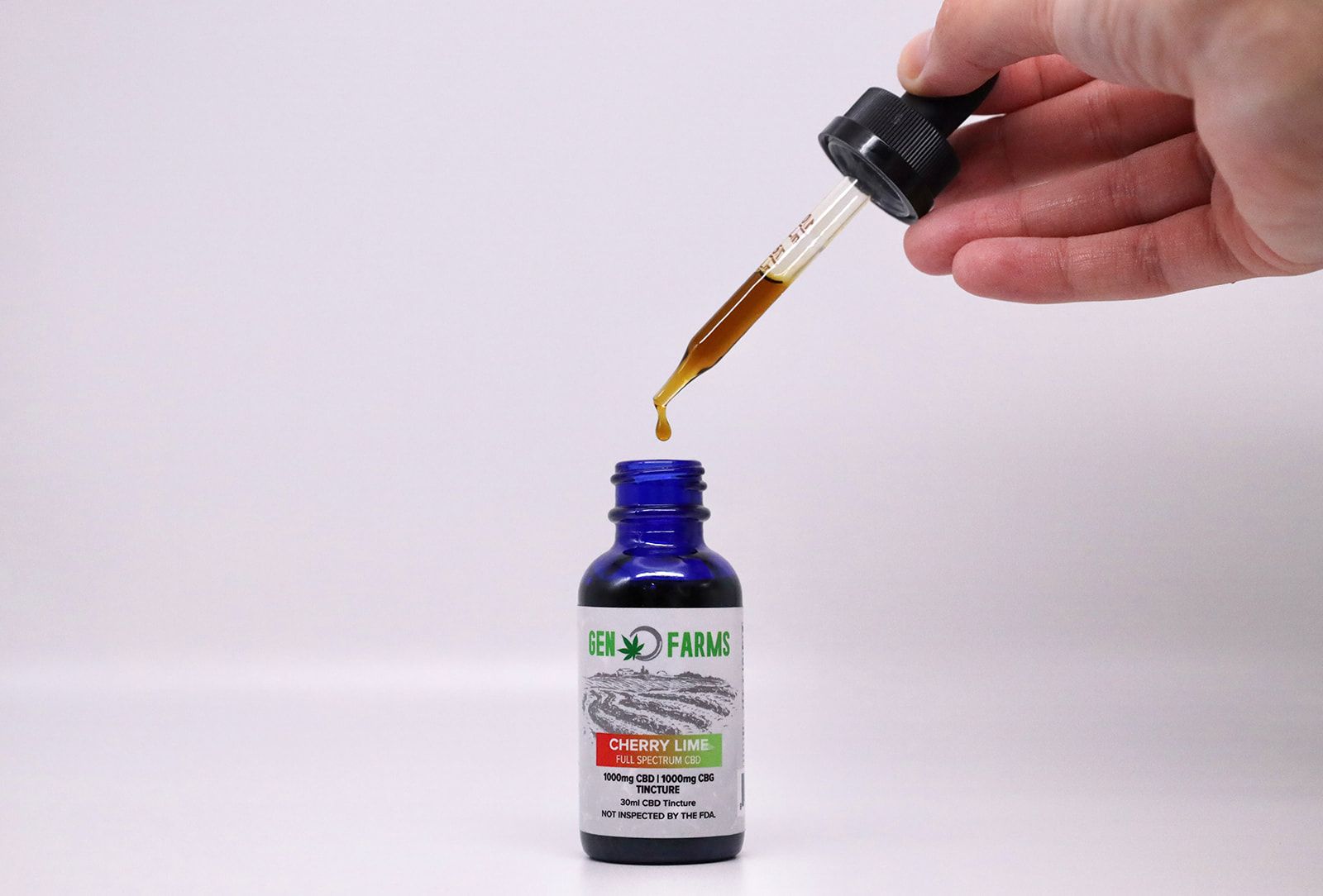
- Health and Wellness: Hemp’s seeds, oil, and non-psychoactive cannabinoids (like CBD) are fueling a new wave of wellness products.
- Cultural Legacy: Hemp’s story is woven through human history — from ancient China to modern farms — reminding us that some of the most important plants are those that have been with us for millennia.
For Further Reading
- HelloMD offers a great overview of hemp’s history and its modern comeback. HelloMD
- The Journal of Cannabis Research provides insight into how hemp policy has evolved in the United States. BioMed Central
- For a deeper historical dive, check out Hemp: A Global History of Grain & Fiber Use. IND HEMP
Bottom line: Hemp isn’t just an old plant — it’s a living legacy. From the fields of ancient China to the lab benches of the 21st century, hemp has maintained a place in human society. With its return as a legal, versatile crop, hemp might just be more relevant today than ever.